Welcome to I Like Illinois
Serving up tradition at the Burgoo Festival
- Details
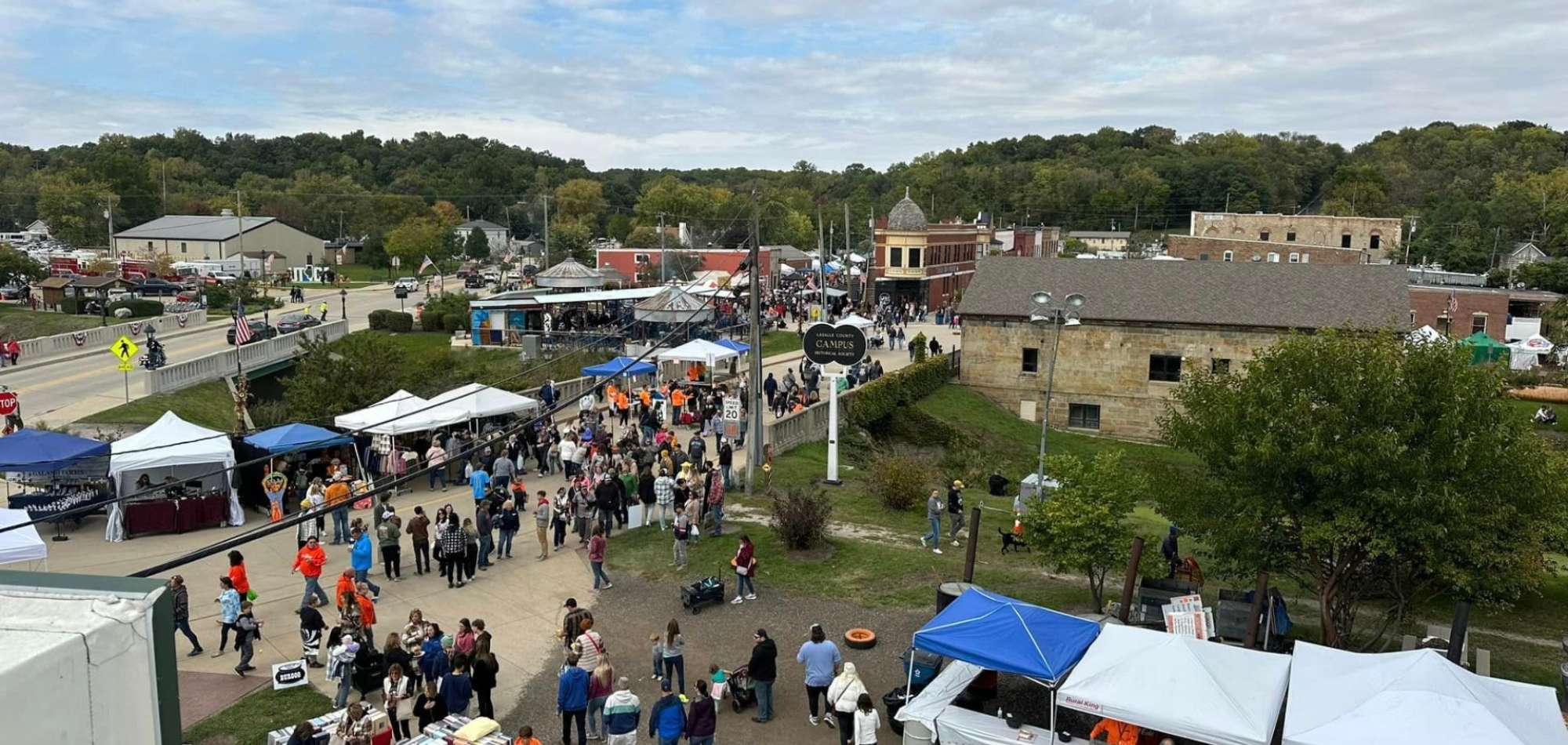
Ditch the crockpot and head to downtown Utica to enjoy a fresh bowl of traditional burgoo stew and community festivities from Oct. 10-11 at the 56th Annual Burgoo Festival hosted by the LaSalle County Historical Society.
The event’s signature dish, burgoo stew, dates back to the 19th century when early settlers used this meal to feed large groups. The ingredients for this stew include beef, carrots, potatoes, hominy, celery, tomatoes, cabbage, onions, peppers and other vegetables blended with spices and herbs.
Step back in time at ‘Shadows of the Blue and Gray’
- Details
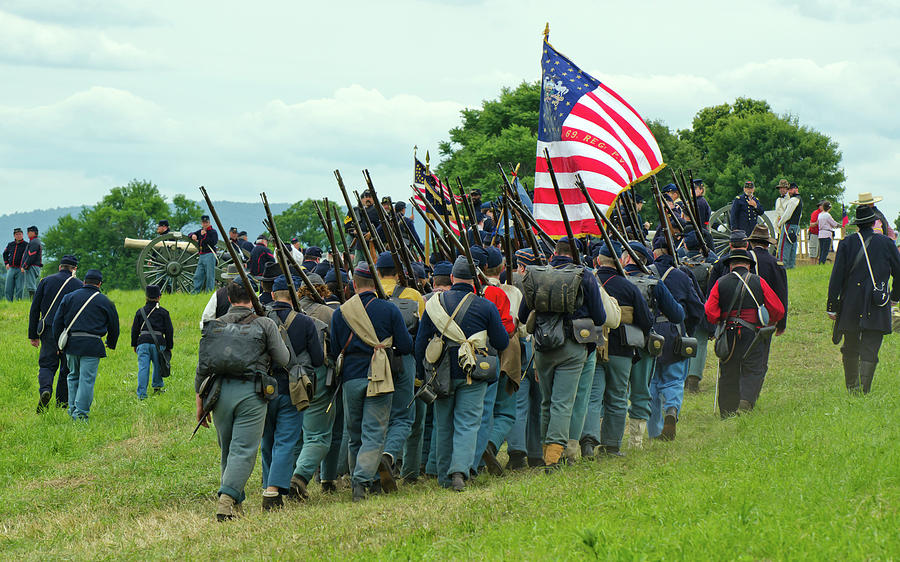
History will come to life in Princeton this October as one of Illinois’ unique fall traditions returns for its 30th year.
Shadows of the Blue and Gray will take over City-County Park in Princeton Oct. 10-11, offering visitors the chance to experience Civil War-era life through living history demonstrations, reenactments and educational activities.
Rather than simply reading about the past, visitors can walk through Civil War camps and speak with reenactors portraying soldiers and civilians from the 1860s. Reenactors will share what everyday life was like during the Civil War era, giving guests a closer look at the experiences of those who lived through one of the most consequential periods in American history.
One of the highlights of the weekend will be a narrated mock battle held on both Saturday and Sunday. The demonstrations will feature infantry, cavalry and artillery, while smaller skirmishes may also break out across the grounds throughout the day.
Younger visitors can get involved, too. Children will have the opportunity to complete a scavenger hunt while exploring the event, with a prize waiting for those who finish.
The weekend also continues its educational mission with a free School Day on Friday, Oct. 9. Local public, private and homeschool groups can attend by appointment, giving students an opportunity to experience history outside of the classroom.
Admission for the public is $5 per person, while children 3 and younger can attend for free. Food will be available on site, and visitors are also welcome to bring their own.
Whether you’re a history enthusiast or simply looking for a different way to spend a fall weekend in Illinois, Shadows of the Blue and Gray offers a chance to step into the past and see history from a new perspective.
Learn more and plan your visit through the Shadows of the Blue and Gray website.
Pumping it up at Highwood’s Pumpkin Festival
- Details
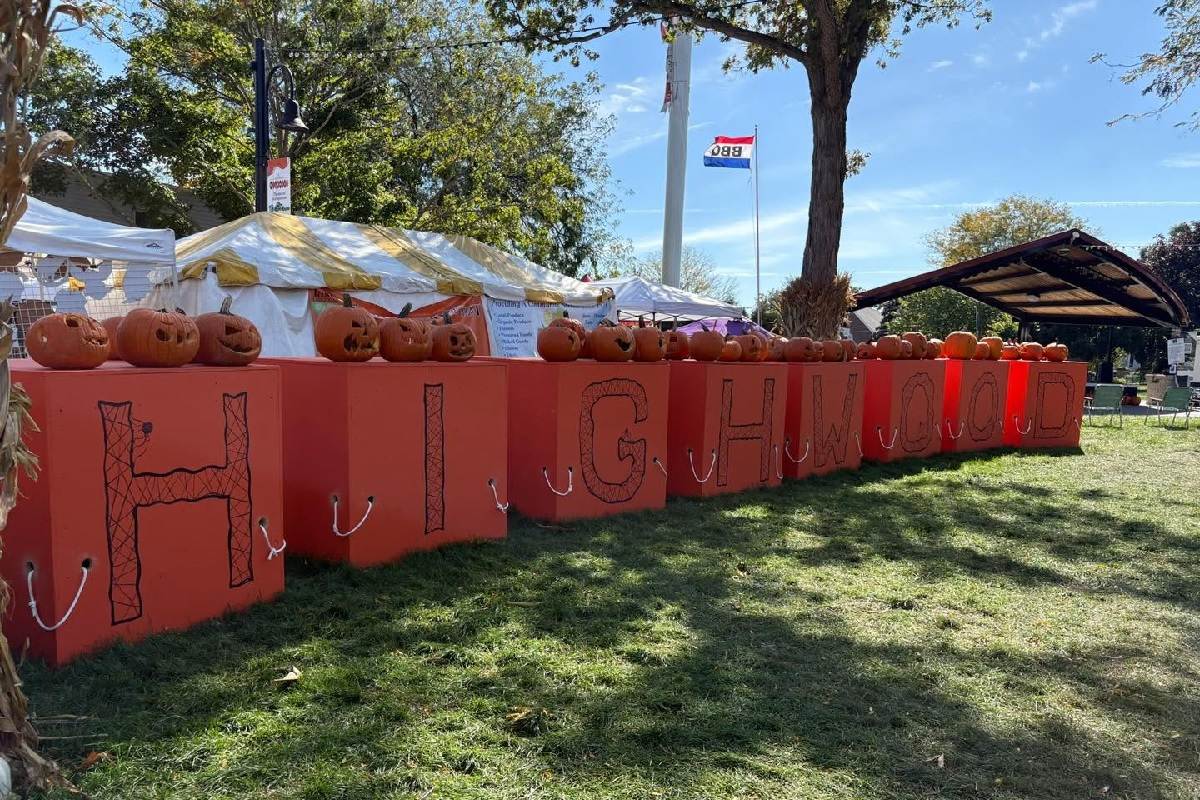 This past weekend was the annual Great Highwood Pumpkin Festival in downtown Highwood, and it was as exciting as usual.
This year was the 17th iteration of the free festival, which is the largest outdoor fall celebration on Chicago’s North Shore. The festival typically opens with a carnival on Thursday night and runs through Sunday, but this year’s rain pushed the festival opening to Friday.
Pete Crow-Armstrong joins baseball’s most exclusive cub
- Details
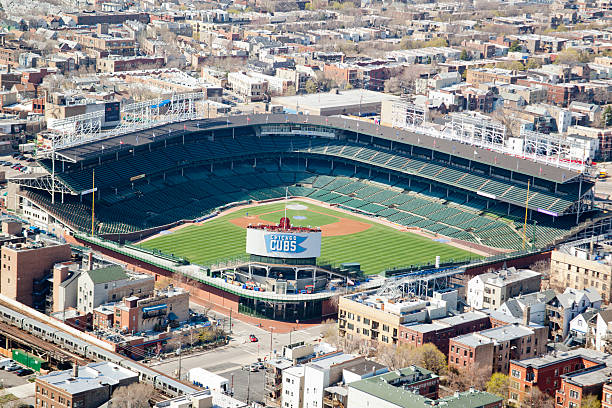 Chicago Cubs fans have had plenty to celebrate this season, but few moments have been bigger than Pete Crow-Armstrong joining one of baseball’s most exclusive clubs.
On Sept. 24, the 24-year-old Chicago center fielder stole second base to record his 40th stolen base of the season. Combined with his 45 home runs, the milestone made Crow-Armstrong just the seventh player in MLB history to record a 40 homer, 40 stolen base season.
The accomplishment puts Crow-Armstrong alongside some of the greatest players in major league history, including Jose Canseco, Barry Bonds, Alex Rodriguez, Alfonso Soriano, Ronald Acuna Jr. and Shohei Ohtani.
But PCA, as he is known to Cubs fans, has done more than just put up impressive offensive numbers. He has emerged as one of the most complete players in all of baseball, combining power at the plate with speed on the bases and elite defense in center field.
Entering the game Sept. 24, PCA led the national league in home runs, on base plus slugging (OPS), and on base plus slugging plus (OPS+). He also had 107 runs batted in and 119 runs scored. His 45 home runs are the most ever hit by a lefty in Cubs history, surpassing Billy Williams who launched 42 in 1970.
This historic season has also made PCA the presumptive, and in all likelihood, unanimous MVP. This will be the first time in six years an Illinois athlete has won MVP. The feat was last accomplished by Jose Abreu who took home AL MVP in the COVID-shortened 2020 season for the White Sox.
PCA’s remarkable 2026 campaign adds yet another chapter to the long history of great Baseball in Illinois. And with the Cubs headed back to the postseason, there is still plenty of baseball left for PCA to dominate.
More Articles …


I LIKE ILLINOIS © Copyright 2025