Arts & Culture
- Details
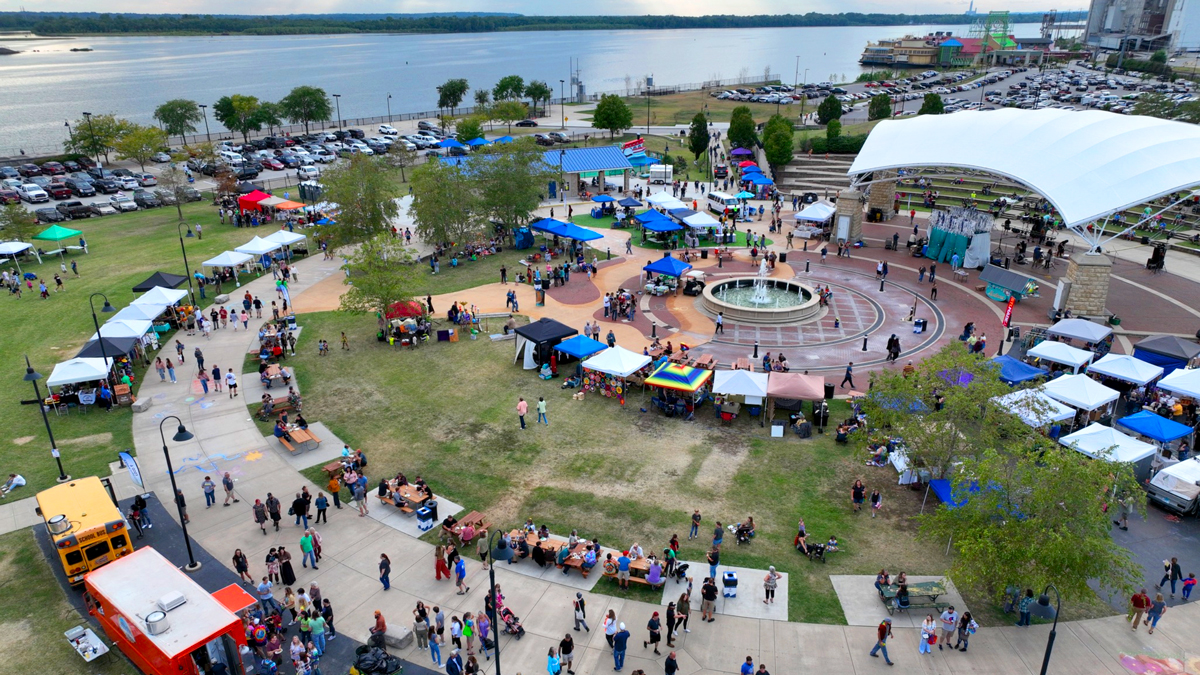
The Mississippi Earthtones Festival, brought to you by Alton Main Street, the Sierra Club Illinois’ Three Rivers Project and Jacoby Arts Center, is a celebration of the Mississippi river through art, music and conservation. This event is held annually on the 3rd Saturday in September.
Located on the banks of the Mississippi River at the Alton Amphitheater, this year’s event will take place on Saturday, Sept. 19 from noon to 10 p.m. Family-friendly activities take place from noon until 6 p.m., and festival goers will enjoy artist booths and live music which continue until 10 p.m.
- Details
For Springfield resident David Butt, what started as a one-time blood donation to learn his blood type turned into donating blood 400 times.
Butt has been donating blood since 1990 and has now reached the 400-donation mark. In honor of that milestone, the Fresenius Kabi National Blood Donation Hall of Fame will recognize him this year.
Twice a month, Butt makes his regular Power Red donation, which removes the platelets from his blood for donation. He used to donate whole blood, which can be done every 56 days, but he switched to platelet donation in 2008.
- Details
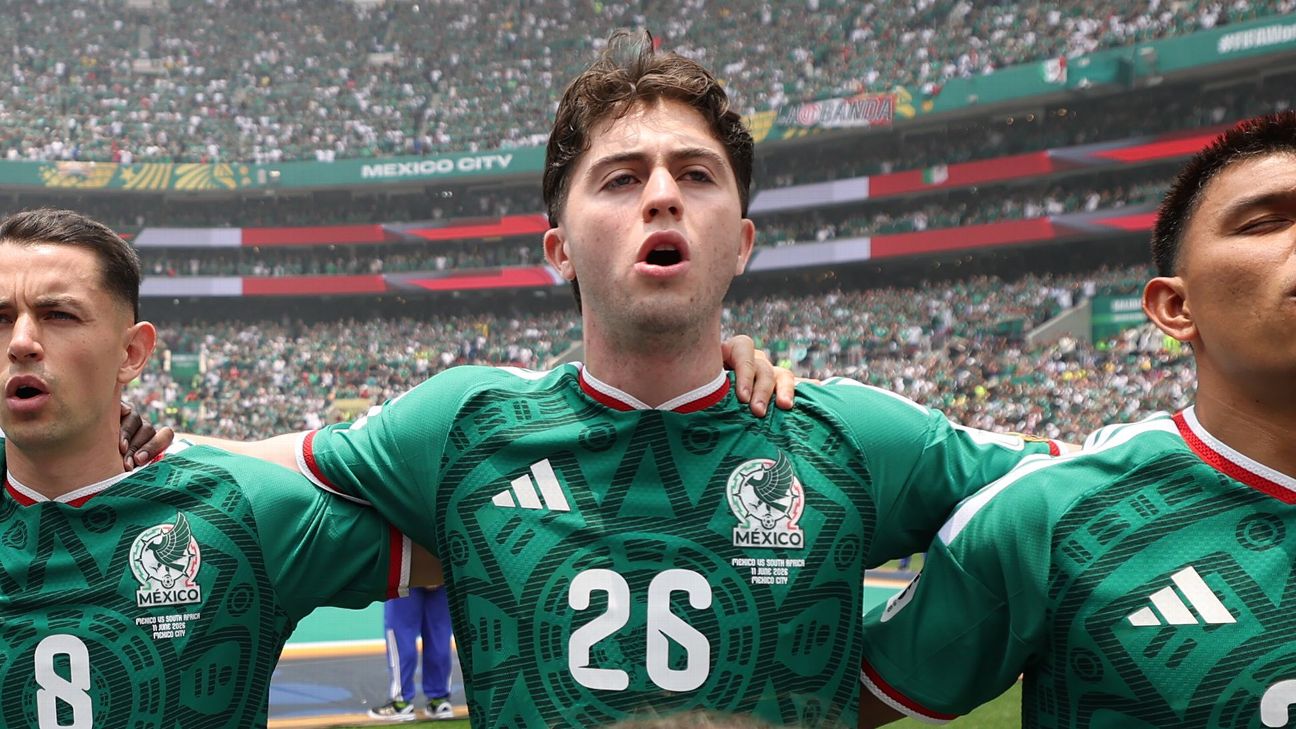 This summer, the 2026 FIFA World Cup took the stage, bringing countries from across the world to the United States, Canada and Mexico as they competed to be champions of the world. This cycle, the tournament featured two athletes that were born and raised in Illinois. Chris Brady from Naperville represented the United States as a goalie and Brian Gutierrez from Berwyn represented Mexico as a midfielder.
- Details
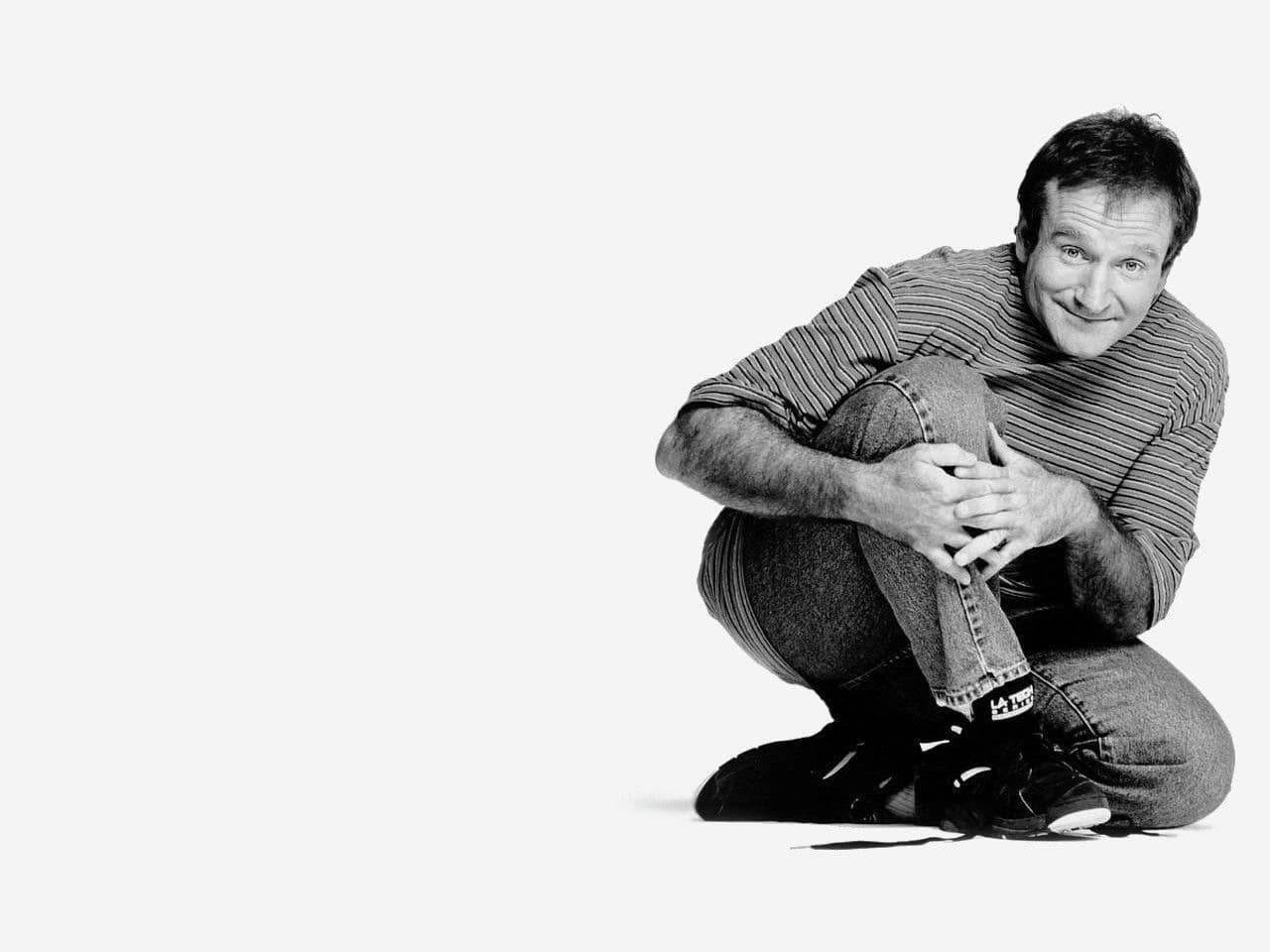
Few entertainers have left a legacy quite like Robin Williams. Known for his boundless energy, unforgettable characters and heartfelt performances, Williams brought laughter and inspiration to audiences around the world. As we celebrate his birthday on July 21, it’s a fitting time to recognize his Illinois roots and the remarkable career that followed.
Robin McLaurin Williams was born in Chicago on July 21, 1951. Although his family later moved away, his story began in Illinois before he became one of Hollywood’s most beloved actors and comedians.
Williams first gained national attention starring as the lovable alien Mork in the television sitcom “Mork & Mindy.” His quick wit and unmatched improvisational skills soon made him a household name, launching a film career that spanned more than four decades.
Whether he was inspiring students as John Keating in “Dead Poets Society,” bringing magic to life as the Genie in Disney’s “Aladdin,” disguising himself as a nanny in “Mrs. Doubtfire,” or earning an Academy Award for his moving performance in “Good Will Hunting,” Williams had a unique ability to make audiences laugh, cry and think all within the same performance.
Beyond the screen, Williams was known for his generosity and compassion. He frequently visited troops overseas through the USO, supported numerous charitable organizations and used his platform to bring joy to people during difficult times.
Today, Robin Williams’ work continues to resonate with audiences of all ages. His performances remind us of the power of humor, kindness and imagination, while his story serves as another example of the talented individuals whose journeys began here in Illinois.
This July, celebrate one of Chicago’s most famous native sons by revisiting a favorite Robin Williams film and remembering the extraordinary legacy he left behind.
- Details
The iconic Route 66 turns 100 years old this year, and Illinois is celebrating with major events, festivals and more.
Established in 1926, Route 66, also known as the “Mother Road”, connects Chicago to Santa Monica, California, stretching 2,448 miles across nearly two-thirds of the country. The origins of Route 66 trace back to trails used by Native Americans, which later evolved into smaller roads that often paralleled railway lines.
More Articles …


I LIKE ILLINOIS © Copyright 2025