
Transportation
- Details
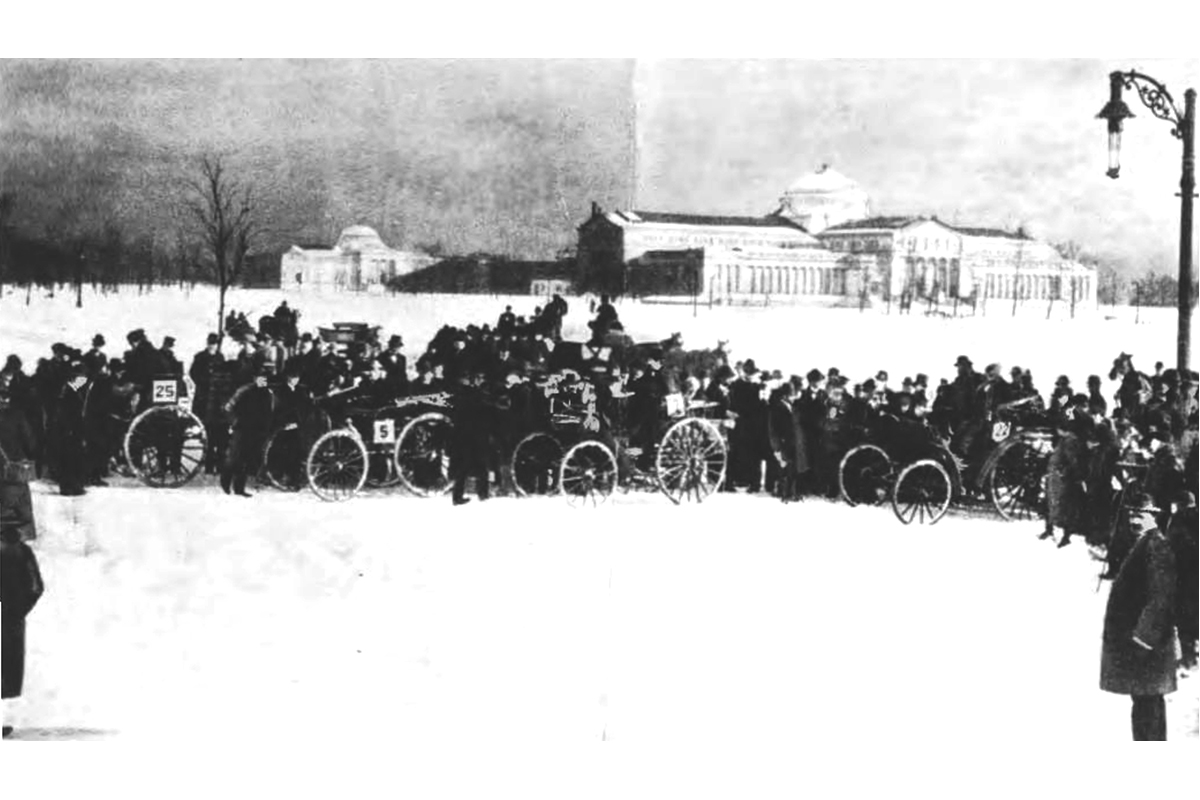
From humble beginnings to hosting several of the world’s best automobile manufacturers, Illinois has had a major stake in the history of the auto industry as it has evolved throughout the years.
In the late 19th century the Chicago Times-Herald announced a $5,000 prize for a round-trip race between Chicago and Evanston in 1895. Despite a snowstorm that blanketed the area just days before, two cars managed to complete the race. This event, which also featured possibly the nation’s first auto show with 12 exhibited automobiles, marked the early days of Illinois’ history with automobiles.
As the 19th century drew to a close, a minimum of 22 local enterprises had been founded to fabricate horseless carriages, and a dozen of these successfully transitioned to full-scale production. Despite never surpassing Detroit as the foremost auto hub, Chicago emerged as a significant epicenter for automobile manufacturing, hosting 28 companies that collectively brought forth 68 distinct car models in the early 1900s.
- Details
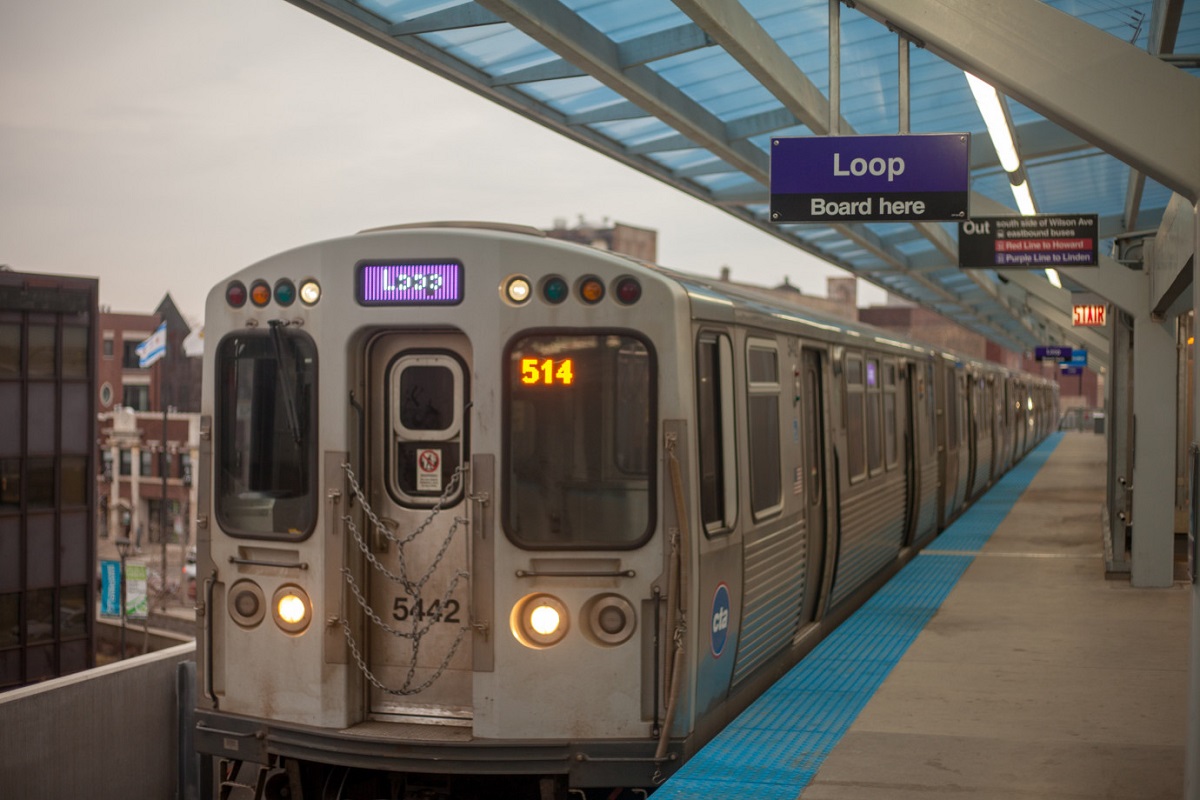
The Chicago ‘L’ has been winding its way through the city’s alleys and rumbling past windows for well more than a century. For many Chicagoans, it’s part of everyday life. But it wasn’t always the system people know today – or even known by the same name.
The first L lines were privately owned and operated as separate companies. In 1892, according to Chicago Transit Authority historian and expert Graham Garfield, who tracks the extensive history of the ‘L,’ the Chicago and South Side Rapid Transit Railroad began operating the first elevated train. A steam locomotive pulled wooden coaches between terminals at Congress Street and what is now Pershing Road. The tracks plotted a 3.6-mile line adjacent to alleys, so it was dubbed the ‘Alley L.’
- Details
 When planning your next road trip, have some peace of mind knowing that Illinois boasts one of the safest commutes in the country.
A report from Beck and Beck, a car accident law firm, analyzed data from the U.S. Bureau of Labor Statistics and determined that Illinois ranked 10th in safest commutes.
- Details

The Illinois Department of Transportation received top honors among Midwest states in the American’s Transportation Awards for its commitment to revitalizing state infrastructure and enhancing quality of life for every community.
After nine years and over $896 million in funding used to support the project, construction on the Jane Byrne and Weber Road interchanges brought IDOT recognition for improving traffic mobility and accommodating the increasing traffic volume.
The project makes state history with innovative changes, including a diverging-diamond design on Weber Road by reconfiguring the interchange with Interstate 55. The Jane Byrne project involved rebuilding several bridges to make way for wider sidewalks and bike lanes, developments to Peoria Street that transformed the area into an expansive walkway, and adding an elevator to the Chicago Transit Authority’s Blue Line Station for customers with disabilities.
IDOT’s prestigious award is sponsored by the American of State Highway and Transportation Officials, AAA and the U.S. Chamber of Commerce, in recognition for their steadfast determination in forging sustainable state infrastructure and remedying economic and social concerns.
This significant project and esteemed award is a testament to IDOT’s efforts in being at the forefront of innovation in our state and throughout our communities.
- Details

Continuing its commitment to technological innovation, the city of Chicago plans to offer its first air taxi route between O’Hare International Airport and Vertiport Chicago in 2025. The announcement from Archer Aviation Inc. and United Airlines calls the method of transportation a “safe, sustainable, low noise and cost-competitive alternative to ground transportation.”
Vertiport Chicago, which is North America’s largest vertical aircraft takeoff and landing facility, is located near the Chicago Loop and was selected for its convenient and accessible location. From there, passengers will be able to travel via aircraft to and from O’Hare in about 10 minutes — saving a significant amount of time that is often spent stuck in the city’s rush hour traffic.
More Articles …
- Improved I-74 Mississippi River Bridge wins national recognition
- Ash Street underpass project in Springfield named “Project of the Year”
- Illinoisans are some of the best teenage drivers in the nation
- IDOT's I-55 and Lake Shore Project wins top award in national transporation competition
- O-Hare and Midway international airports to offer unlimited free Wi-Fi


I LIKE ILLINOIS © Copyright 2025