Welcome to I Like Illinois
Best places to see fall colors in Illinois
- Details
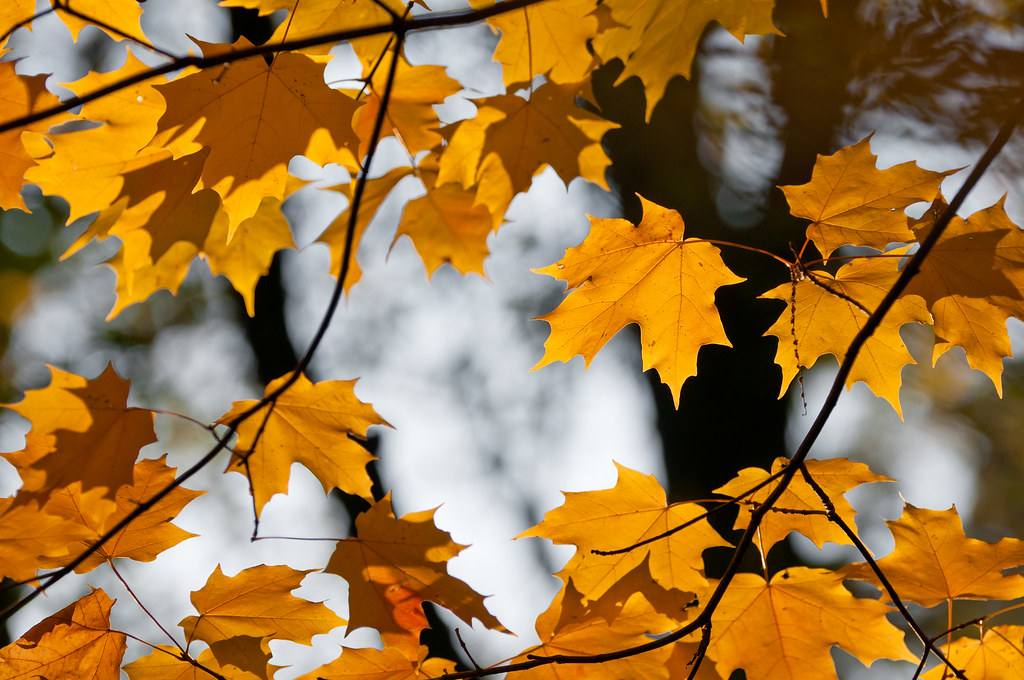 Autumn is one of the most beautiful times to explore Illinois as the state’s many forests, parks and scenic byways transform into a brilliant spectacle of red, orange and gold. From the rolling hills of Southern Illinois to the wooded trails of the north, the Prairie State offers plenty of destinations for enjoying the season’s changing leaves.
Starved Rock State Park is an excellent destination for fall foliage fans. Located along the south bank of the Illinois River near Utica, the park features sandstone canyons, towering bluffs and miles of hiking trails surrounded by colorful trees. Matthiessen State Park, just a short drive away, offers another great viewing opportunity with its wooded ravines, waterfalls and many trails.
In the West Suburban area, Morton Arboretum in Lisle is another wonderful choice for experiencing nature in autumn without having to venture too far from the Chicago area. It spans 1,700 acres with over 4,000 types of trees, offering dedicated fall color reports and walking trails. Nearby, Chicago Botanic Gardens in Glencoe offers access to picturesque gardens, lakeside views and an abundance of paths surrounded by seasonal foliage.
Cubs and Sox give baseball fans a season to remember
- Details
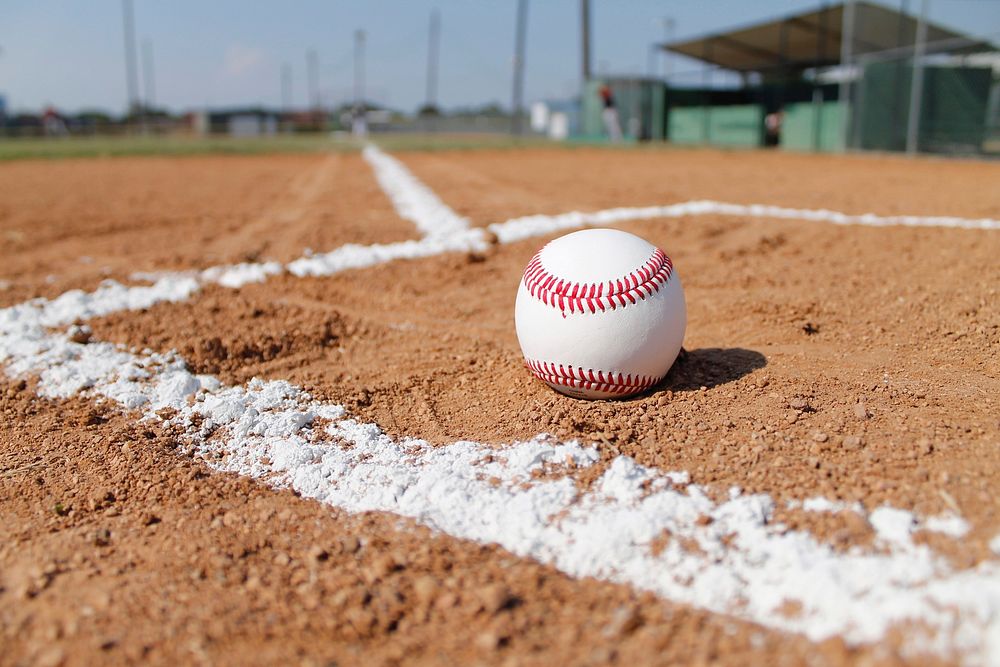
Chicago baseball fans may be putting away their postseason gear for the winter, but 2026 gave the city something it has rarely experienced with both the Cubs and White Sox playing postseason baseball.
The two teams reached the postseason in the same year for just the fourth time in history, joining the 1906, 2008 and 2020 seasons. The Cubs and Sox also clinched bracket positions on the same day within minutes of each other, giving fans across the city reason to celebrate. This year was the first year that both teams clinched a spot in the playoffs on the same day.
Although neither team reached the championship round, this season gave fans of both teams plenty to look forward to in the future.
For the Cubs, this marks the second consecutive year the team got to play postseason baseball, building on a campaign that featured an MVP-caliber year from star center fielder Pete Crow-Armstrong. The Cubs overcame injuries to their pitching staff, periods of inconsistency and a difficult summer to secure a postseason berth.
The Cubs run ended quickly, however. The team had the best offense in the National League in 2026 and scored the most runs but was held to just one run in two games against the San Diego Padres.
On the other side of town, the White Sox made history. The team became the first ever to make the playoffs immediately after having back-to-back seasons with 100 losses. In fact, the team set the record for the most losses in major league history in the 2024 campaign where they lost 121 games.
The Sox came out blazing in the Wild Card round against the Houston Astros, sweeping the series in two games on the road. The dagger came in game two when second baseman Chase Meidroth hit a three-run home run late in game two that gave the Sox the insurance needed to finish the job.
The Sox would ultimately lose to the Cleveland Guardians in the next round in heartbreaking fashion, setting the record for strikeouts in a postseason game with 21 strikeouts in game five. Nonetheless, the team overachieved in virtually every metric. With all the young talent, and a strong farm system, the best is yet to come at 35th and Shields.
Chicago architectural gems open to the public during Open House Chicago
- Details
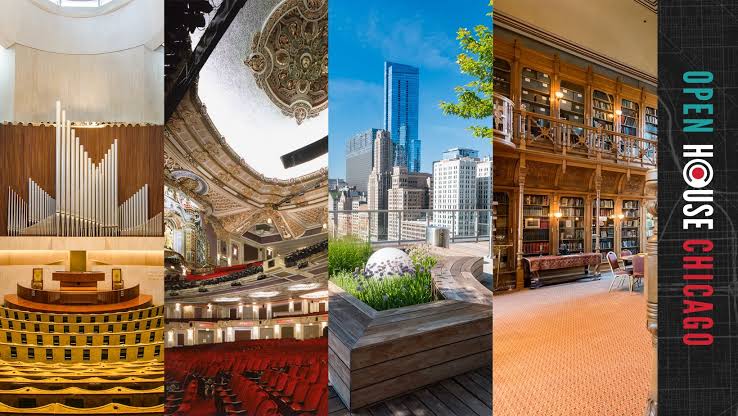
People flock to Chicago from all around the world to marvel at the unique architecture found all across the city. While many visitors take in Chicago's infamous skyline from the Chicago River or one of the observation decks or rooftops, during Open House Chicago you can get a behind-the-scenes look at the city’s most iconic and historical sites.
Open House Chicago, hosted by the Chicago Architecture Center, is one of the largest architecture and urban festivals in the world. Taking place Oct. 17 – 18, this free public festival offers behind-the-scenes access to more than 200 sites in over 30 neighborhoods.
Illinois State Fair celebrates more than 170 years of history
- Details
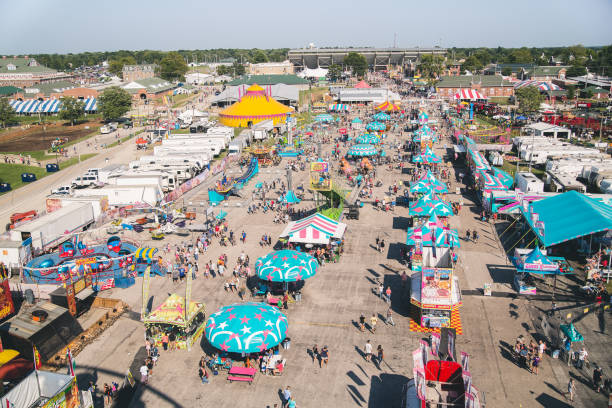 Long before the Ferris wheel, corn dogs and concerts became staples of Springfield, the Illinois State Fair was already bringing people together.
The first Illinois State Fair was held in Springfield in 1853, when the city was a small capital and Abraham Lincoln was serving his final year in the Illinois General Assembly. The fair was designed primarily to show off agriculture, livestock, industry, education and the arts. Admission cost 25 cents, and as many as 20,000 people attended its third day.
The following year, the fair became an unlikely stage for Illinois politics. U.S. Senator Stephen A. Douglas spoke at the 1854 fair, with Lincoln delivering a rebuttal the next day.
Springfield did not remain the fair’s permanent home immediately. The event traveled to 12 different Illinois communities over the years including Chicago, Peoria, Quincy, Decatur and Centralia. It eventually returned to Springfield for good, with the first permanently located fair opening Sept. 24, 1894.
Much of the fairgrounds history remains visible today. The exposition building, constructed in 1894, is the oldest building on the grounds. The fairgrounds also acquired the Dome building from the 1893 World’s Colombian Exposition in Chicago. The massive structure was reassembled in Springfield for the 1895 fair, but was destroyed by a fire in 1917.
Today, the fair covers 366 acres, and has grown into an 11-day event. It features a wide variety of events, staying true to its roots featuring livestock and agriculture, but also modernizing with things like concerts and unconventional food.
More than 170 years after the first fair, the Illinois State Fair remains a staple in Springfield. It connects the past of Lincoln and Douglas to the present of how we see Illinois today.
More Articles …


I LIKE ILLINOIS © Copyright 2025