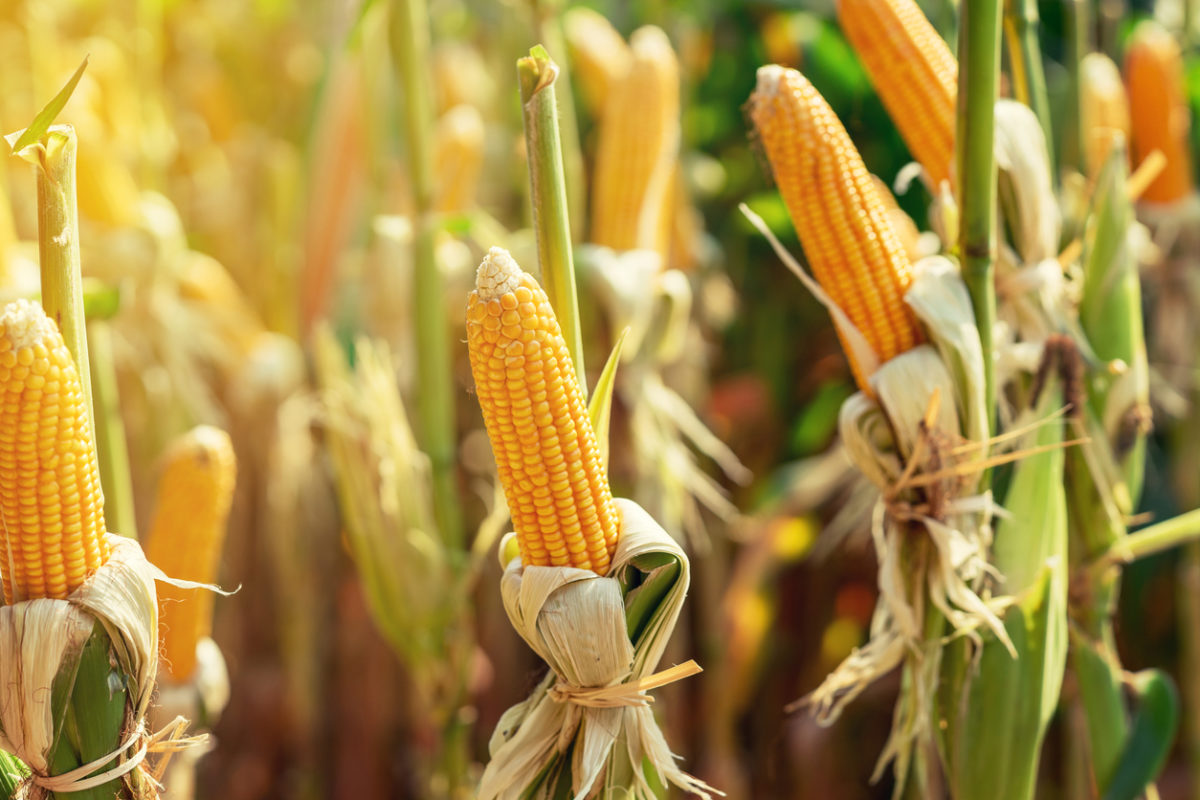
Corn fields cover roughly 30% of Illinois, accounting for more than 11 million acres of land. Corn, just like other plants, experiences evapotranspiration. Evapotranspiration is a process that transfers water from land and plant surfaces into the atmosphere through evaporation while also releasing water into the atmosphere through transpiration, where water is pulled from the soil through plant roots and released as water vapor through the plant’s pores.
There is a popular Midwestern term for this. Have you ever heard of “corn sweat”? This term relates to the high humidity created from the evapotranspiration from corn. At its peak, corn can add up to 4,000 gallons of water vapor to the atmosphere per acre per day. For reference, there were a little under 98.8 million acres of corn planted in the United States in 2025. This added moisture raises humidity levels, which has several effects on weather. More water vapor in the air decreases evaporation off our skin, which in turn can increase chances of heat exhaustion. Higher humidity decreases the chances for extreme high actual temperatures, but the “feels like” temperatures may be quite high.
Corn sweat typically peaks between mid-July and late August, and, since Illinois sits in the heart of the Corn Belt, we're only at the beginning of the season. However, while corn gets all the headlines, it is not the only contributor to evapotranspiration occurring in the region. Plants like soybeans, oak trees and almost anything with leaves take up water from the ground through their roots. They use this water in similar ways to how humans use it; they have little holes in their leaves called stomata. When those stomata open to let in light and carbon, they let out a little bit of water, resulting in what, essentially, is sweating.
All that water vapor becomes most problematic during a heat wave, when an area of stagnant, high-pressure air traps any water vapor, so while corn is not to blame for high temperatures, it does make the air feel that little bit heavier.