
Did You Know
- Details
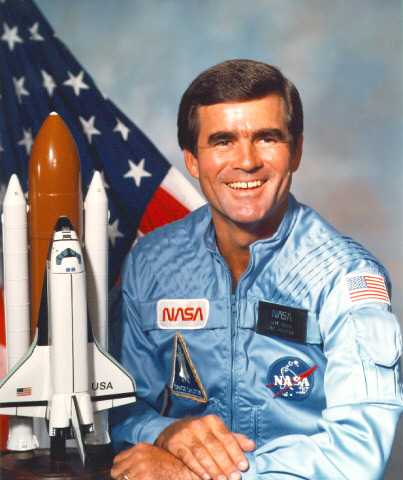 Astronaut Charles Lacy Veach was born in Chicago in 1944.
After graduating high school in 1962, Veach entered the Air Force Academy and continued into service with the Air Force after receiving his bachelor’s degree. Veach served as a fighter pilot for 14 years and performed over 250 combat missions during the Vietnam War. For his service, Veach received a Distinguished Flying Cross award, an Air Medal, an Air Force Commendation Medal, and a Purple Heart.
He left the Air force in 1981 and accepted a position as an instructor pilot with NASA in 1982 to train astronaut pilots to operate their space shuttles. In 1985 he was selected to become an astronaut and participated on a total of two missions, STS-39 and STS-52.
STS-39, in 1991, was an eight-day mission aboard the Discovery space shuttle in which Veach operated multiple pieces of telescopic equipment in order to document Earths’ atmosphere. STS-52, in 1992, was a 10-day mission aboard the Columbia space shuttle in which the crew was able to deploy the Laser Geodynamic Satellite. Veach logged over 430 hours in space and contributed his expertise in robotics to the development of equipment for the International Space Station.
Shortly after the completion of STS-52, Veach was diagnosed with cancer. He passed away in 1995.
Learn more:
Charles Lacy Veach’s NASA Bio
- Details
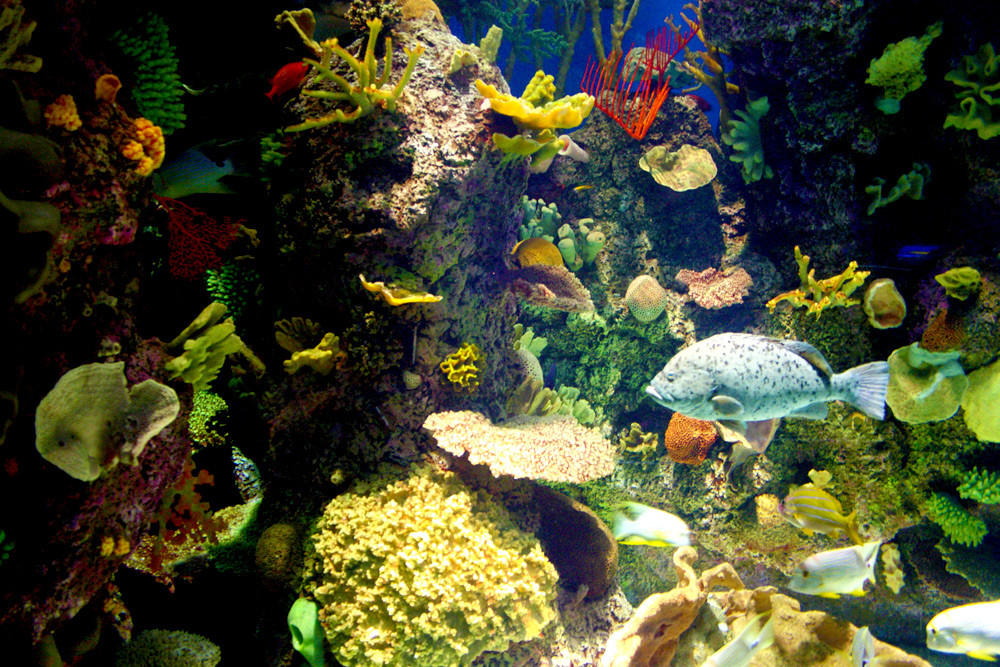 Tourists can feel like they are “under the sea” at the Shedd Aquarium in Chicago.
Before we talk about the aquarium, let’s dive into the history of the man who put so much effort into building it.
John. G Shedd was born in 1850 and first came to fame by Marshall Field and Company the largest wholesale and dry goods business in the world. At its height, the company employed more than 12,000 Chicagoans. Shedd is part of the reason Chicago is what it is today.
Shedd believed that every great city should have an equally great aquarium, so he chose to build one and make it his legacy. Unfortunately, Shedd passed away before the aquarium was completed, so his business colleagues carried out his vision and named the aquarium after him.
The John. G. Shedd Aquarium was the first inland aquarium with permanent saltwater and freshwater habitats. It’s now filled with more than 8,000 marine animals from all around the world.
Experiencing the wonders of the ocean world is a must while in Chicago.
Learn more:
Visit the Shedd Aquarium’s website.
Want to spend a night at the aquarium?
Read more about the history and architecture of the building.
Looking for a job, internship or want to volunteer at the aquarium?
- Details
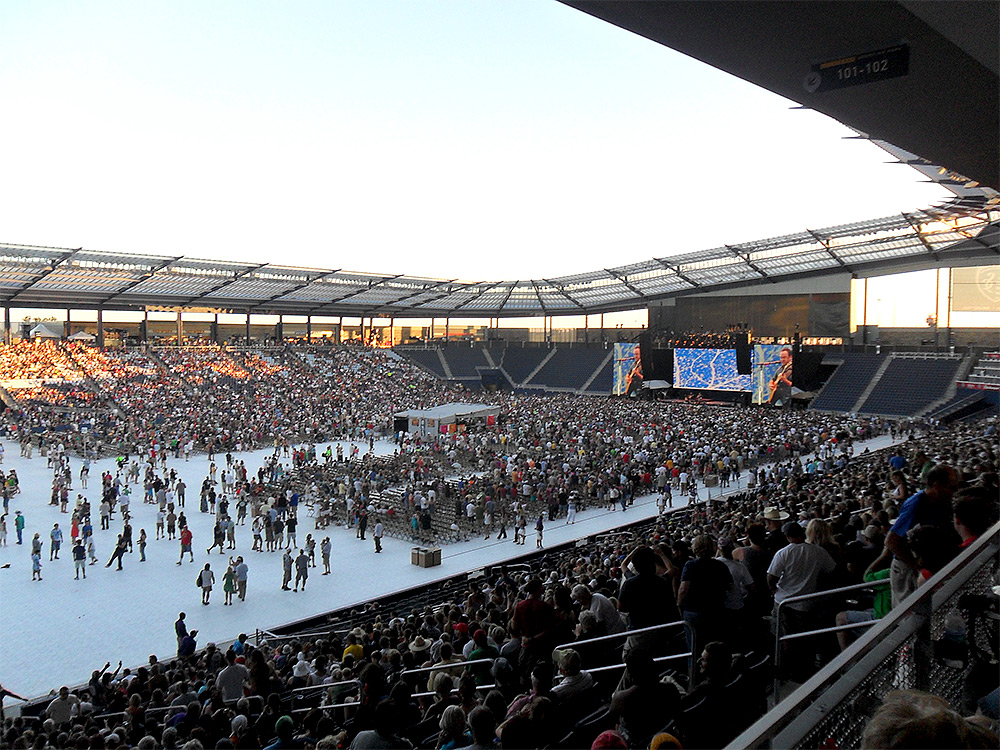 When Bob Dylan asked the audience at Live Aid “Wouldn’t it be great if we did something for our own farmers right here in America?” most people probably shrugged the idea off as another public service announcement from a celebrity.
Rock musicians Neil Young and John Mellancamp joined forces with country legend Willie Nelson in September of 1985 to host the very first Farm Aid festival as a direct result of that question. And they chose Memorial Stadium in Champaign, Illinois as the perfect location for the first event.
The show was put on at a breakneck pace and was a total success, bringing in 80,000 people and raising $9 million for America’s family farmers. Since that first event, Farm Aid has been hosted in Illinois three more times, and the board of directors has grown to include Dave Matthews. On September 22, 2015, Farm Aid will celebrate its 30th anniversary.
Learn more:
The Official Farm Aid Homepage
Footage from this year's concert
Farm Aid's YouTube Channel
- Details
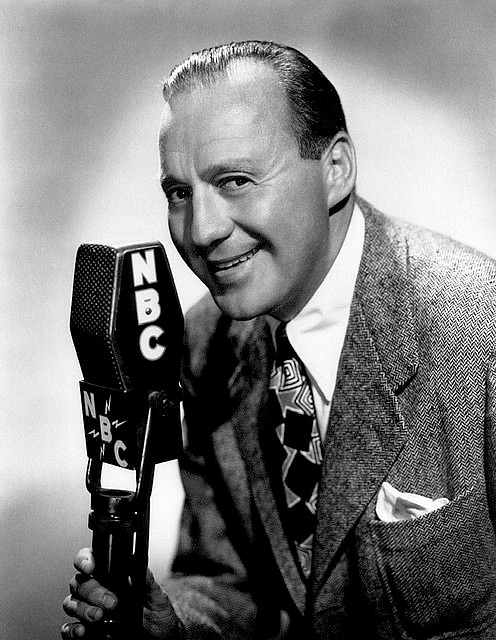 Some roots of comedy are found right here in Illinois.
You might have heard the name Jack Benny before, but if you haven’t, here’s why you should.
Benjamin Kubelsky was born in Chicago and grew up in Waukegan. His parents started him in violin at a young age, which ended up being a prominent prop in his future career. He was one of the first major radio personalities to make it big in television and eventually had his own show on CBS that ran for 15 years.
He was well known for his comic timing and catchy one liner, “Well!” and often played his violin in his skits. His characters had personality traits that were opposite of himself and people that he knew, basically everything they were not: cheap, sly, and self-congratulatory, to name a few. He would make people laugh by showcasing his own flaws.
Benny was a musician, comedian and a movie star. He appeared in Academy-Award winning movies like “The Hollywood Revue” of 1929 and “Broadway Melody” of 1936, as well as other films.
Learn more:
International Jack Benny Fan Club
Visit Jack Benny’s childhood home
- Details
 You may be breathing easier these days because Illinois is leading the nation in switching to renewable energy.
The use of renewable energy in the state of Illinois has saved a significant amount of energy for residents. It has also reduced pollution levels by the equivalent of taking more than 1 million cars off of the road.
Over 90 Illinois towns have decided to transition to 100 percent renewable electricity by using a model called Community Choice Aggregation. It works by encouraging local communities to buy their own electricity from suppliers in bulk, rather than central purchasing agencies, which in turn decreases electricity rates.
Read about the process and find out if your town uses 100 percent renewable electricity in this report from the World Wildlife Fund.
More Articles …



I LIKE ILLINOIS © Copyright 2025