Did You Know
- Details
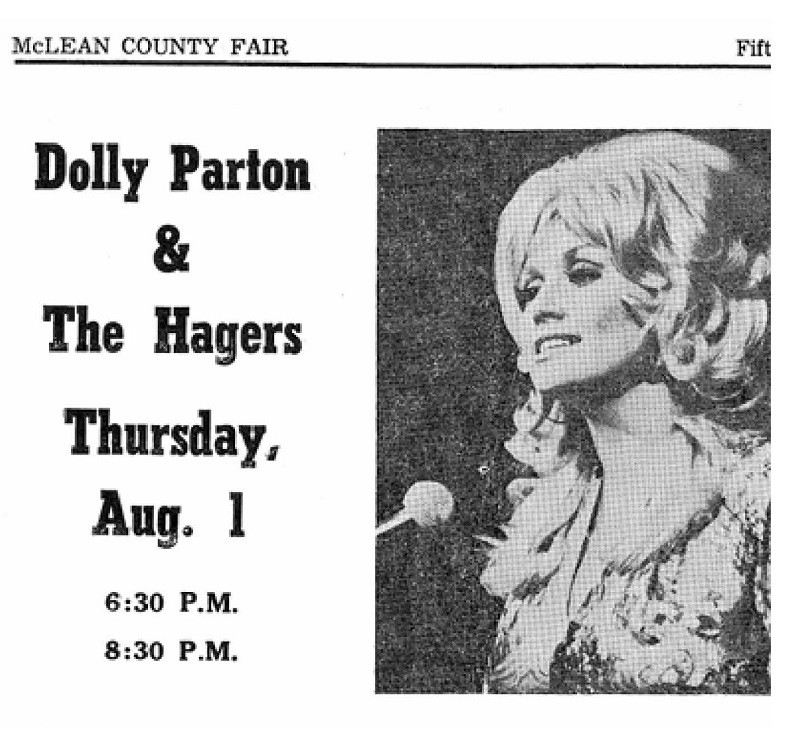 Dolly Parton, American singer, songwriter, actress and champion of children’s literacy philanthropy passed away on Tuesday. Parton leaves behind a legacy of kindness and generosity, and her influence extends to families across Illinois.
Parton made her Illinois debut in 1968 at the Champaign County Fair with the Porter Wagoner Show.
- Details
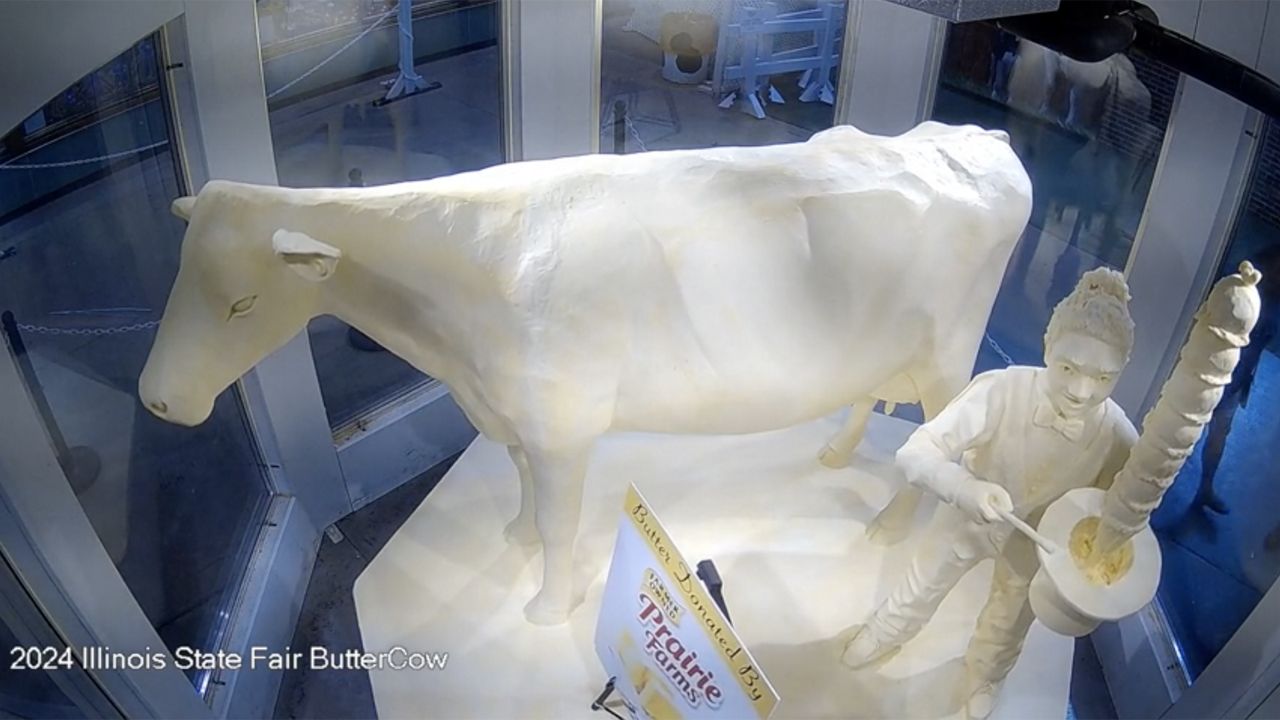
The Illinois State Fair is filled with traditions, from carnival rides and concerts to livestock competitions and plenty of fair food. But for generations of fairgoers, no trip to Springfield is complete without stopping by the Dairy Building to see one of the fair’s most recognizable attractions... the Butter Cow.
The Butter Cow has been an unofficial icon of the Illinois State Fair since the 1920s. Each year, approximately 500 pounds of unsalted butter are carefully sculpted by hand to create the life-sized cow. The process takes several days, transforming an everyday dairy product into a work of art.
- Details
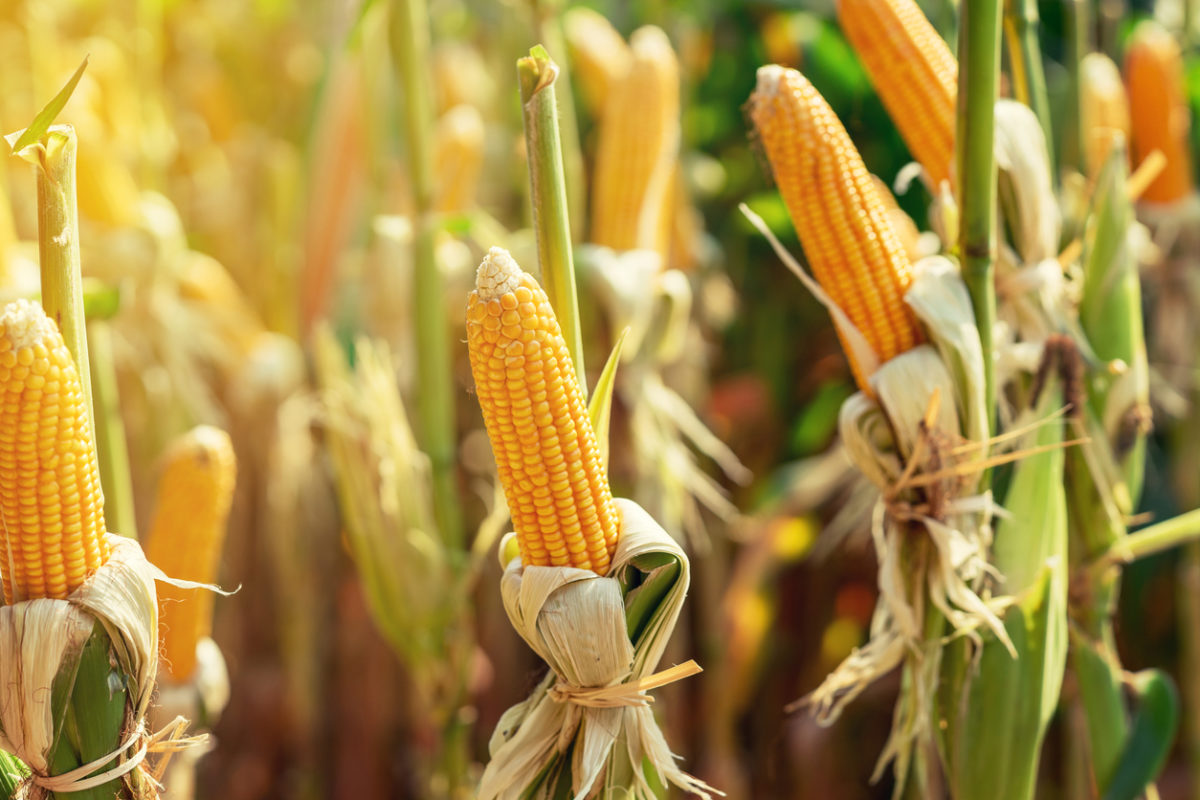
Corn fields cover roughly 30% of Illinois, accounting for more than 11 million acres of land. Corn, just like other plants, experiences evapotranspiration. Evapotranspiration is a process that transfers water from land and plant surfaces into the atmosphere through evaporation while also releasing water into the atmosphere through transpiration, where water is pulled from the soil through plant roots and released as water vapor through the plant’s pores.
- Details
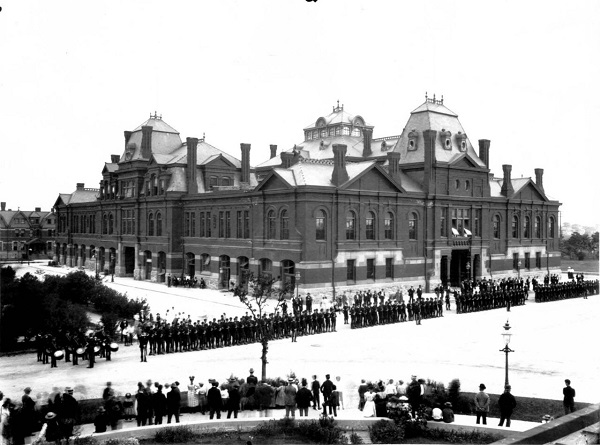
On May 11, 1894, the Pullman Strike began near Chicago, Illinois, later leading to the creation of Labor Day.
During an economic recession, George Pullman laid-off hundreds of employees and cut wages for the remaining workers at the Pullman Sleeping Car Company, a railroad car manufacturer with a company town near Chicago.
- Details
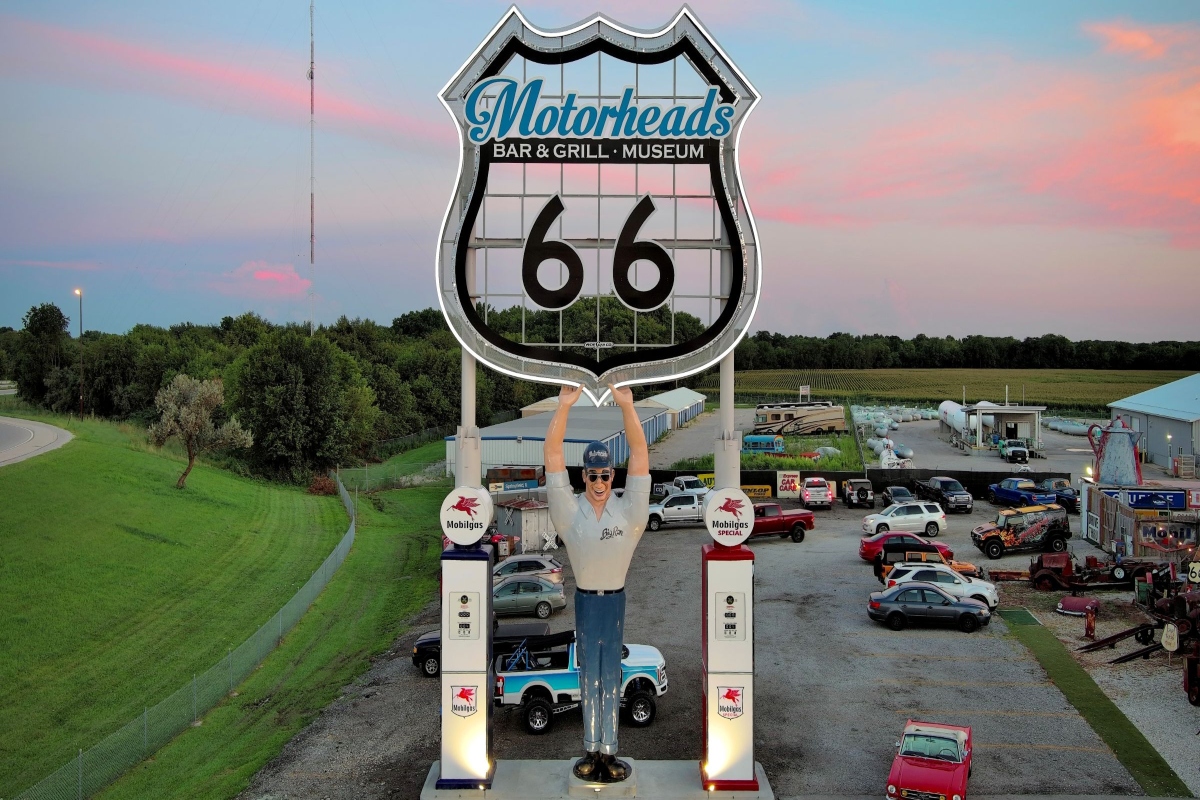
Route 66 turns 100 years old on Nov. 11, 2026! On Feb. 9, the Illinois Department of Commerce and Economic Opportunity and the Illinois Department of Agriculture joined the Illinois Route 66 Centennial Commission and tourism partners from across the state to celebrate the official kickoff of the Route 66 Centennial, marking 100 years since the creation of the highway. Also known as the “Mother Road,” Route 66 begins in Chicago and runs through the heart of Illinois — connecting communities and travelers for a century.
More Articles …


I LIKE ILLINOIS © Copyright 2025