Arts & Culture
- Details
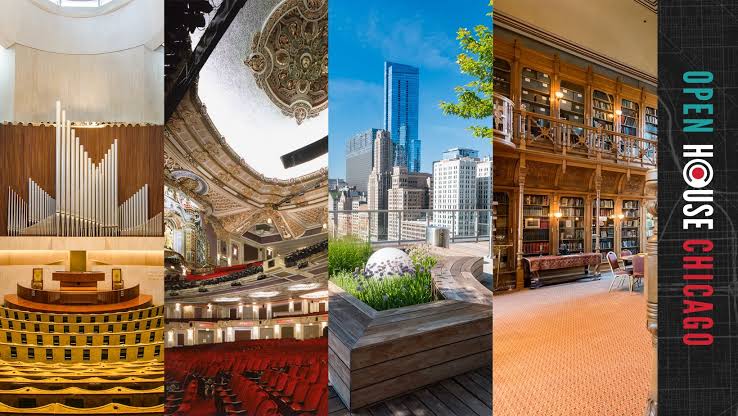
People flock to Chicago from all around the world to marvel at the unique architecture found all across the city. While many visitors take in Chicago's infamous skyline from the Chicago River or one of the observation decks or rooftops, during Open House Chicago you can get a behind-the-scenes look at the city’s most iconic and historical sites.
Open House Chicago, hosted by the Chicago Architecture Center, is one of the largest architecture and urban festivals in the world. Taking place Oct. 17 – 18, this free public festival offers behind-the-scenes access to more than 200 sites in over 30 neighborhoods.
- Details
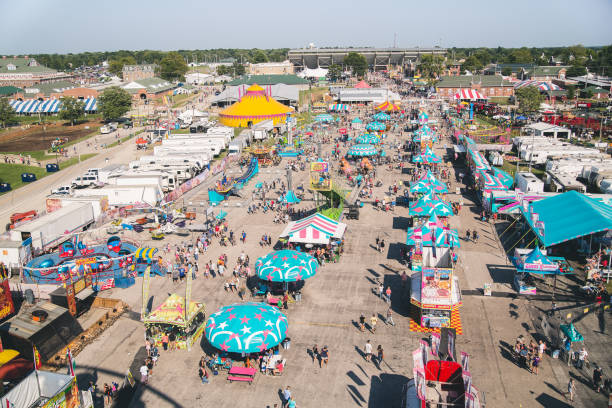 Long before the Ferris wheel, corn dogs and concerts became staples of Springfield, the Illinois State Fair was already bringing people together.
The first Illinois State Fair was held in Springfield in 1853, when the city was a small capital and Abraham Lincoln was serving his final year in the Illinois General Assembly. The fair was designed primarily to show off agriculture, livestock, industry, education and the arts. Admission cost 25 cents, and as many as 20,000 people attended its third day.
The following year, the fair became an unlikely stage for Illinois politics. U.S. Senator Stephen A. Douglas spoke at the 1854 fair, with Lincoln delivering a rebuttal the next day.
Springfield did not remain the fair’s permanent home immediately. The event traveled to 12 different Illinois communities over the years including Chicago, Peoria, Quincy, Decatur and Centralia. It eventually returned to Springfield for good, with the first permanently located fair opening Sept. 24, 1894.
Much of the fairgrounds history remains visible today. The exposition building, constructed in 1894, is the oldest building on the grounds. The fairgrounds also acquired the Dome building from the 1893 World’s Colombian Exposition in Chicago. The massive structure was reassembled in Springfield for the 1895 fair, but was destroyed by a fire in 1917.
Today, the fair covers 366 acres, and has grown into an 11-day event. It features a wide variety of events, staying true to its roots featuring livestock and agriculture, but also modernizing with things like concerts and unconventional food.
More than 170 years after the first fair, the Illinois State Fair remains a staple in Springfield. It connects the past of Lincoln and Douglas to the present of how we see Illinois today.
- Details
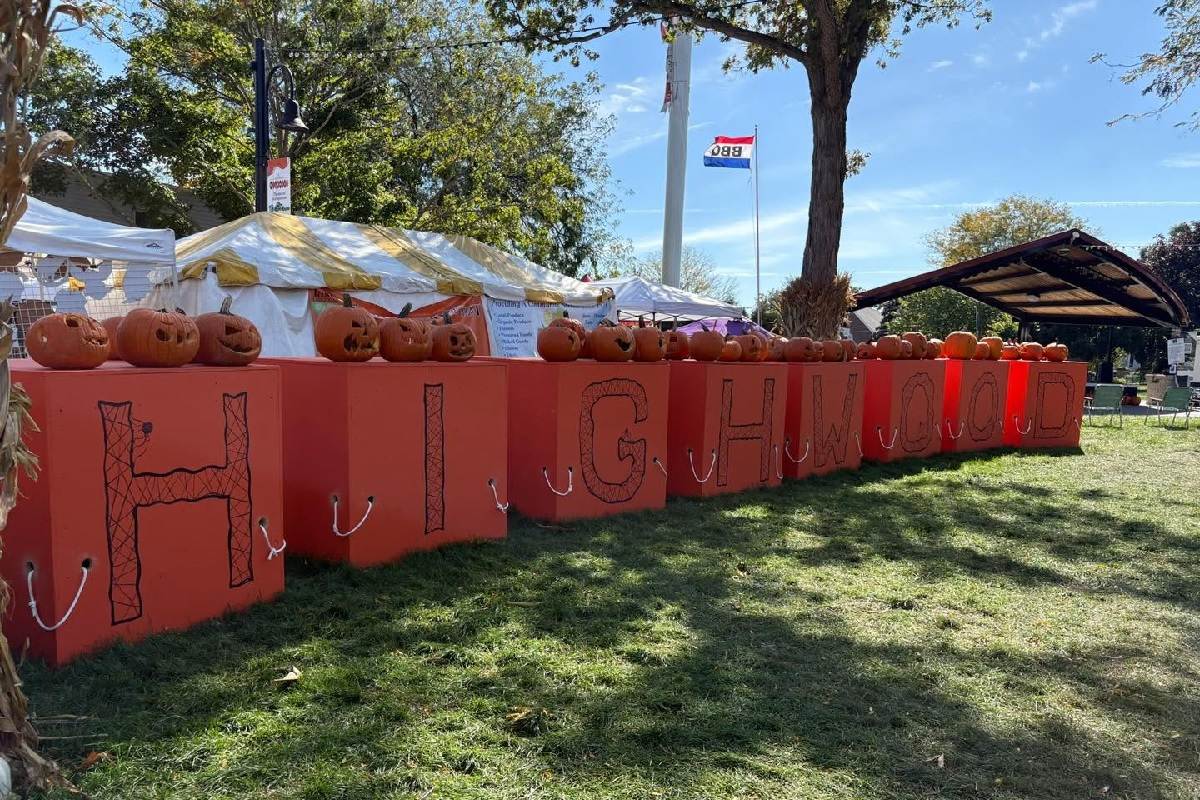 This past weekend was the annual Great Highwood Pumpkin Festival in downtown Highwood, and it was as exciting as usual.
This year was the 17th iteration of the free festival, which is the largest outdoor fall celebration on Chicago’s North Shore. The festival typically opens with a carnival on Thursday night and runs through Sunday, but this year’s rain pushed the festival opening to Friday.
- Details
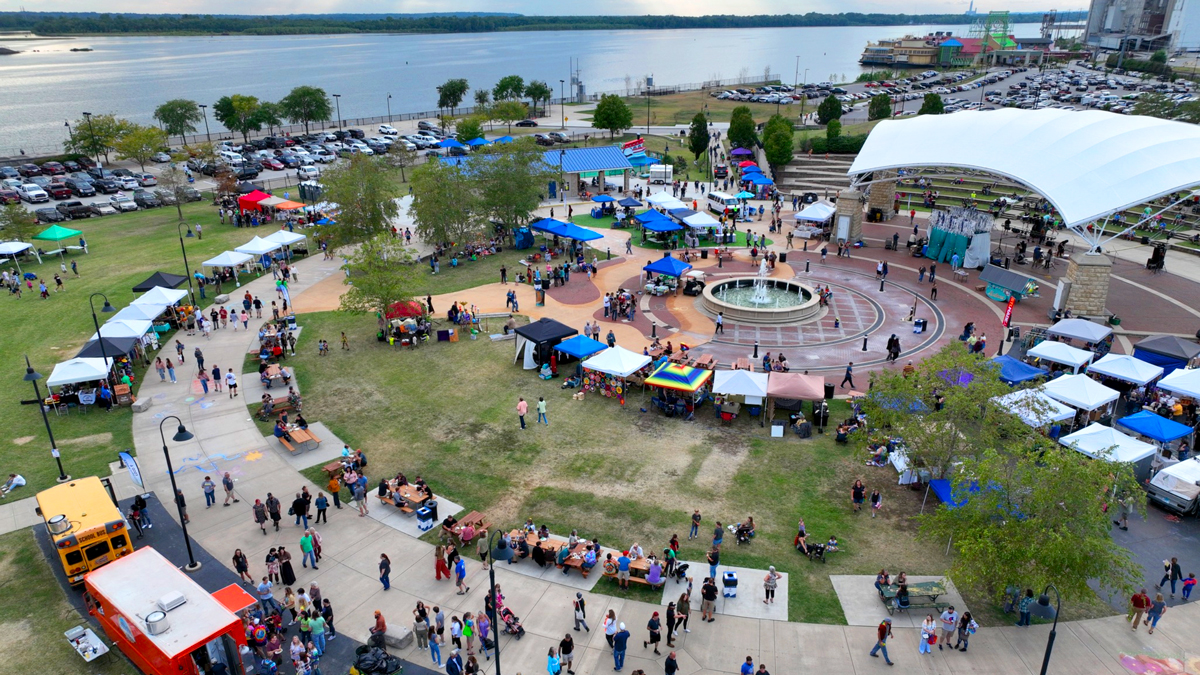
The Mississippi Earthtones Festival, brought to you by Alton Main Street, the Sierra Club Illinois’ Three Rivers Project and Jacoby Arts Center, is a celebration of the Mississippi river through art, music and conservation. This event is held annually on the 3rd Saturday in September.
Located on the banks of the Mississippi River at the Alton Amphitheater, this year’s event will take place on Saturday, Sept. 19 from noon to 10 p.m. Family-friendly activities take place from noon until 6 p.m., and festival goers will enjoy artist booths and live music which continue until 10 p.m.
- Details
For Springfield resident David Butt, what started as a one-time blood donation to learn his blood type turned into donating blood 400 times.
Butt has been donating blood since 1990 and has now reached the 400-donation mark. In honor of that milestone, the Fresenius Kabi National Blood Donation Hall of Fame will recognize him this year.
Twice a month, Butt makes his regular Power Red donation, which removes the platelets from his blood for donation. He used to donate whole blood, which can be done every 56 days, but he switched to platelet donation in 2008.
More Articles …


I LIKE ILLINOIS © Copyright 2025